What the laboratory is for
Nepal generates most of its electricity from hydropower and imports most of the fuel it burns. That gap — abundant domestic electricity alongside imported cooking gas and transport fuel — is the problem ESTRL was founded in 2018 to work on. The laboratory sits in the Department of Mechanical Engineering at Kathmandu University in Dhulikhel, and its research is applied rather than theoretical: field measurement, bench testing, modelling, and policy review that ministries, utilities and manufacturers can act on.
Advance energy systems research, technology development and training that strengthen Nepal's energy security and support global climate goals.
Be a reference laboratory for sustainable energy systems in South Asia, known for careful science and open collaboration.
- Integrity in research
- Safety and quality
- Open science and collaboration
- Equity, inclusion and mentorship
What we research
Five areas, all tested under Himalayan conditions and read against Nepal's energy policy. They are connected rather than parallel: the same storage question shows up in a rural microgrid and in an electric vehicle, and the same measurement stack serves both.
Second-life batteries and storage
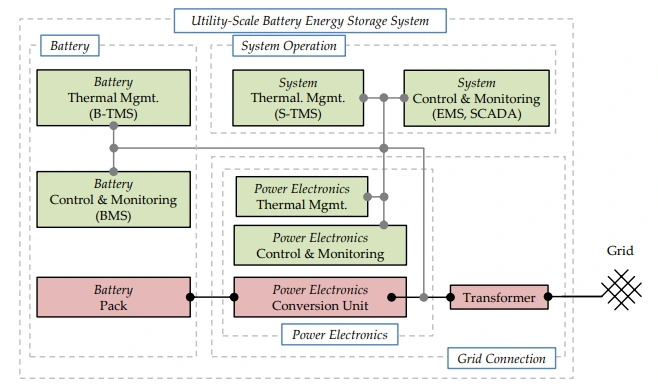
Repurposing retired electric vehicle packs and sizing battery energy storage systems for resilient microgrids and community supply. A pack that no longer meets automotive requirements can still hold years of useful stationary service — which matters more in a country where importing new cells is expensive.
Solar drying and electric cooking
Solar dryers for Himalayan agricultural value chains, studies of the household transition to electric cooking, and Water Boiling Test benchmarking of cooking devices under local conditions. Both lines attack the same target: displacing imported fuel with domestic energy.
Energy efficient buildings
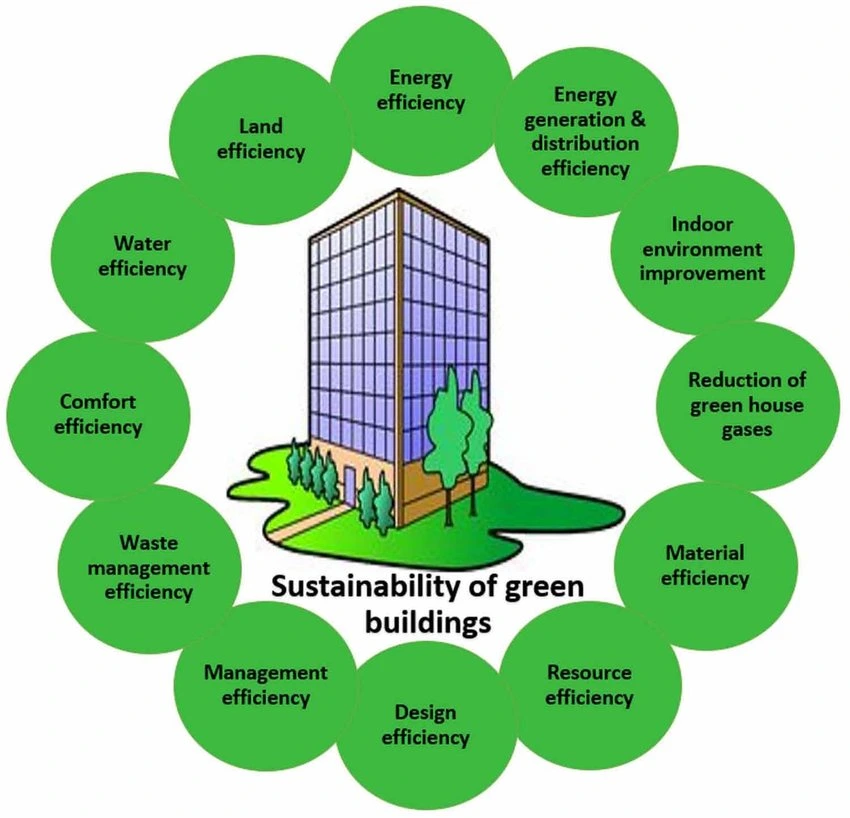
Thermal comfort, indoor air quality and building energy performance across Nepal's climatic zones. Comfort models built for mechanically conditioned buildings do not describe naturally ventilated Nepali housing, so the work aims at locally derived reference values. It feeds the National Building Code.
Electric mobility
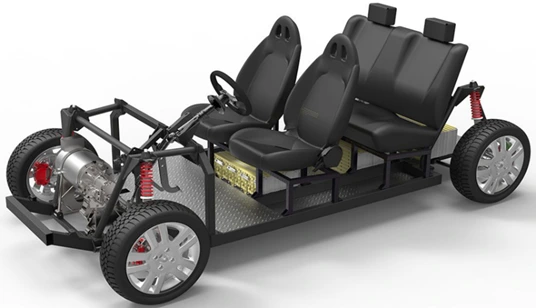
Urban drive-pattern studies, modular electric vehicle design and simulation for rural Nepal, charging infrastructure, and range anxiety. Duty cycle drives everything downstream — battery sizing, charging placement, total cost — and Nepali duty cycles are not the ones in the international literature.
Energy policy
Energy efficiency provisions in the National Building Code, indoor air quality and thermal comfort policy, and electric vehicle policy review. Keeping policy analysis in the same laboratory as the measurement is what lets the two correct each other.
Where to read the work
Six funded programmes are described on the projects page, and the peer-reviewed record — fifteen-plus articles — is on the publications page.
At a glance
Who leads the work

Navaraj Adhikari
Project Incharge, ESTRL
Department of Mechanical Engineering, Kathmandu University
Instrumentation
Research spaces and calibrated equipment for experimental and computational work in energy systems.
Power systems bench
Inverters, converters and programmable loads for microgrid prototyping.
Battery testing suite
Cyclers, BMS development kits and thermal chambers for storage studies.
Modelling & simulation
Numerical modelling for grid integration, optimisation and control.
Milestones
ESTRL grew from a departmental initiative into a funded laboratory with international partners over roughly seven years. The sequence matters: capacity had to be built before the grants, and the equipment before the battery research.
| Year | Milestone |
|---|---|
| 2018 |
ESTRL founded
Established to accelerate applied research in energy systems at Kathmandu University. |
| 2021 |
First international grant
The lab won competitive funding for rural microgrid optimisation. |
| 2023 |
Battery research expansion
The lab commissioned a battery testing suite and a data acquisition stack. |
| 2025 |
Regional collaboration hub
The lab formalised partnerships with South Asian universities and industry. |
Collaborators
ESTRL works with universities, programmes and funders inside and outside the region. EnergizeNepal, the Kathmandu University energy research programme supported by NORAD, funds four of the laboratory's six current programmes. The Swedish relationship — Lund University, and Swedish Research Council funding — carries the Solar Food Himalaya work. CST Bhutan extends the collaboration across the eastern Himalaya, where the energy questions are close cousins of Nepal's.
 Kathmandu University
 CST Bhutan
 EnergizeNepal
 Lund University
Safety and research ethics
We keep safety protocols and ethics standards for all experiments, field deployments and studies involving people.
- Mandatory safety induction and PPE compliance
- Equipment logs and calibration records
- Data management and reproducibility practices
- Ethics approvals for human and field studies
How can students join ESTRL?
Apply through your department and indicate interest in ESTRL. Openings are also posted on the KU notice board and lab channels.
Do you collaborate with industry and government?
Yes. We co-design projects with utilities, startups and ministries to translate research into practice.
Can external researchers use the facilities?
Facility access is available by request and MoU. Contact us with a short proposal; lab access, safety induction and data policy documents are issued on request.
Work with us
Whether you are a student, faculty member or industry partner, we welcome collaboration on sustainable energy for Nepal.