How the laboratory is organised
ESTRL is a research laboratory inside the Department of Mechanical Engineering at Kathmandu University, founded in 2018 and led by Project Incharge Navaraj Adhikari. It is small by design and layered rather than flat: faculty hold the research direction, research associates carry programmes day to day, and graduate and undergraduate researchers do the measurement, build work and analysis that the programmes depend on.
Leadership
Sets the research agenda, holds principal investigator responsibility on funded programmes, and supervises graduate work.
Research associates
Master's-qualified researchers who run a programme's experimental and field work across its full cycle and mentor the students on it.
Graduate students
MS researchers whose thesis work sits inside a funded programme, so the degree and the deliverable advance together.
Researchers
Bachelor's-level engineers covering instrumentation, data acquisition, software and analysis — including the cross-disciplinary electrical and electronics work the mechanical programmes need.
Supporting staff
Laboratory operations: equipment logs, calibration records, safety induction and the day-to-day running of the space.
Alumni
Former members now in doctoral programmes and industry abroad and in Nepal, several still co-authoring with the lab.
Team leaders
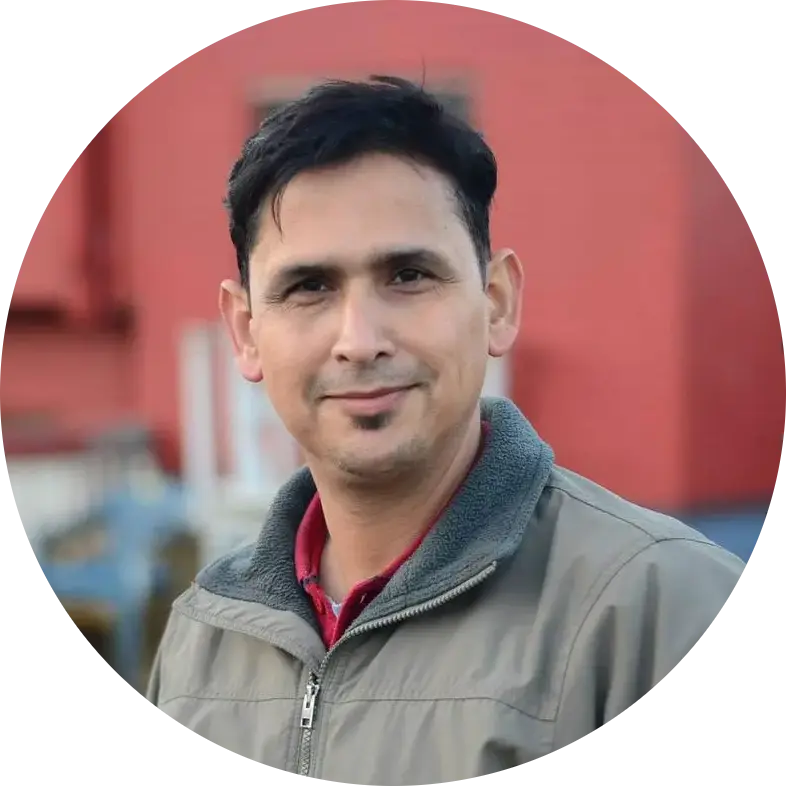
ESTRL's team leaders set the laboratory's research direction alongside their teaching and research. Project Incharge Navaraj Adhikari directs the laboratory's work and researches solar drying technologies.
Energy systems optimisation, efficient buildings and life cycle assessment.
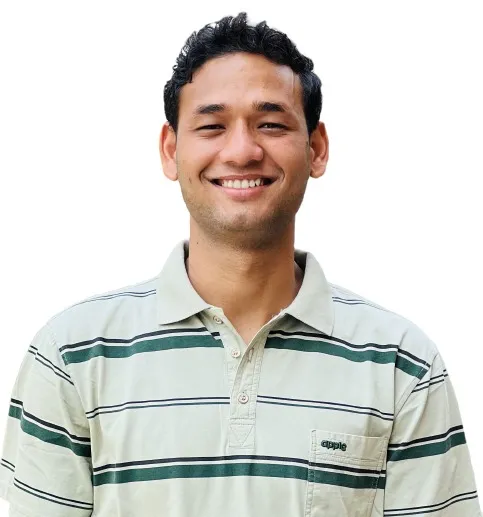
Navaraj Adhikari
Project Incharge, ESTRL
MS in Mechanical Engineering. Researches solar drying technologies.
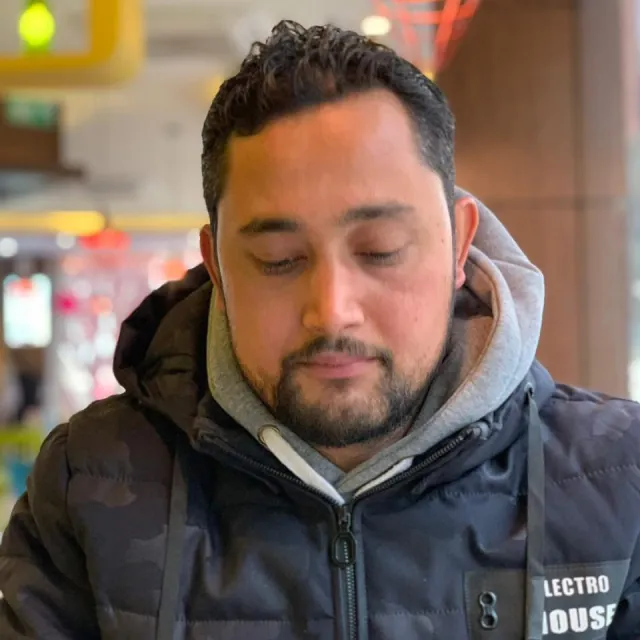
Niranjan Basakoti
Assistant Professor
Department of Mechanical Engineering, Kathmandu University.

Er. Gokarna Poudel
Assistant Professor
Department of Mechanical Engineering, Kathmandu University.
Research associates
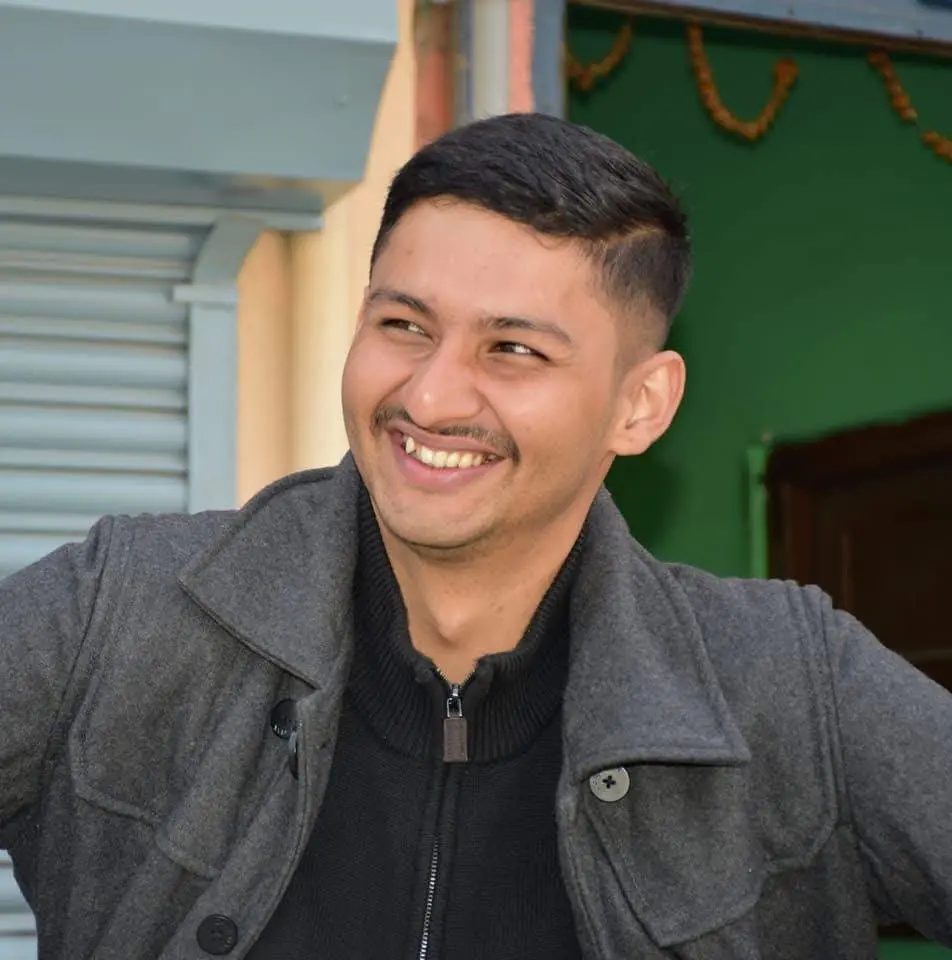
Prabhas Baral
Research Associate
MTech in Energy Systems.
MS students
Sarwagya Wasti
MS, Mechanical Engineering
Graduate researcher at ESTRL.
Saxam Bhatarai
MS, Mechanical Engineering
Graduate researcher at ESTRL.
Researchers
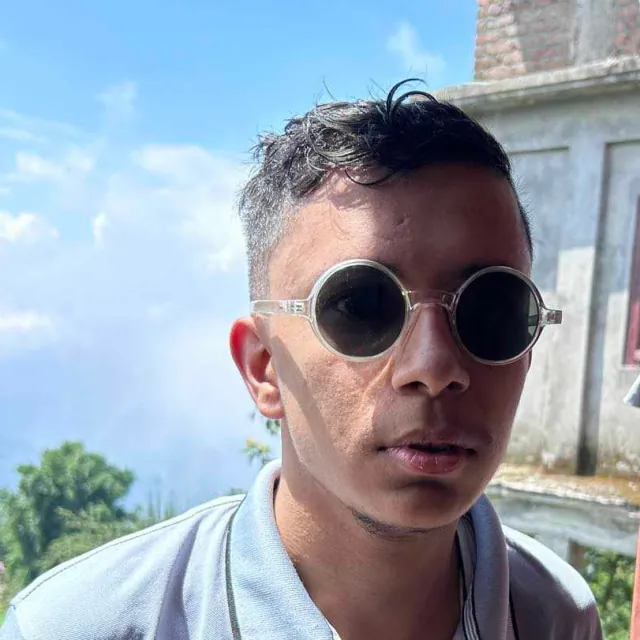
Raghav Sharma
BE, Mechanical Engineering
Life cycle assessment of vehicle powertrains; co-author on the 2022 Journal of Cleaner Production study.

BE, Electrical & Electronics Engineering
Instrumentation, data acquisition and software for ESTRL research.
Supporting staff
Sodiya Suwal
Supporting Staff
Laboratory operations and activities.
Where they went next
A laboratory in a country with a small research base is measured partly by where its people go. The list below is not complete, but it is the pattern: doctoral programmes in the United States and Europe, graduate study in Norway, and engineering work in Nepal's own energy sector.

Narayan Guragain
PhD Candidate
Illinois Institute of Technology, USA.
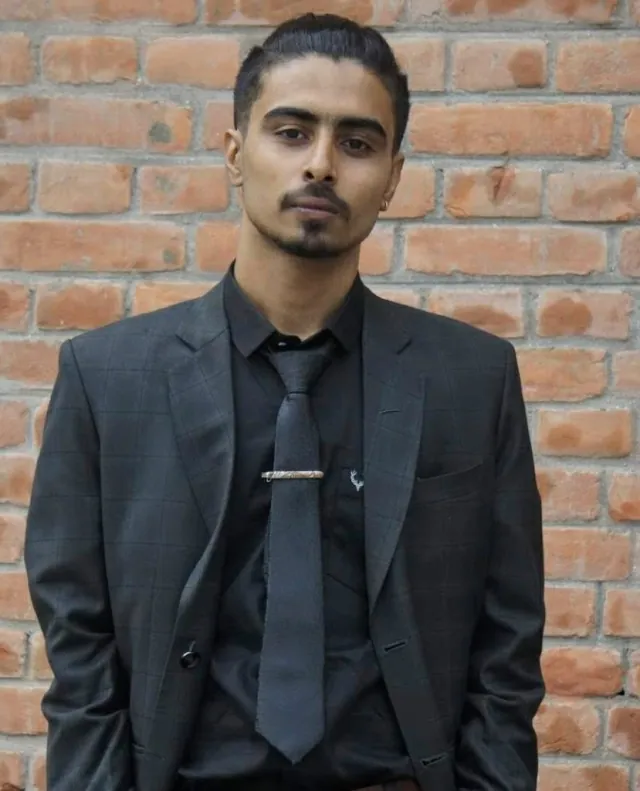
BE, Mechanical Engineering
Former ESTRL researcher. Worked on solar energy efficiency and applications.
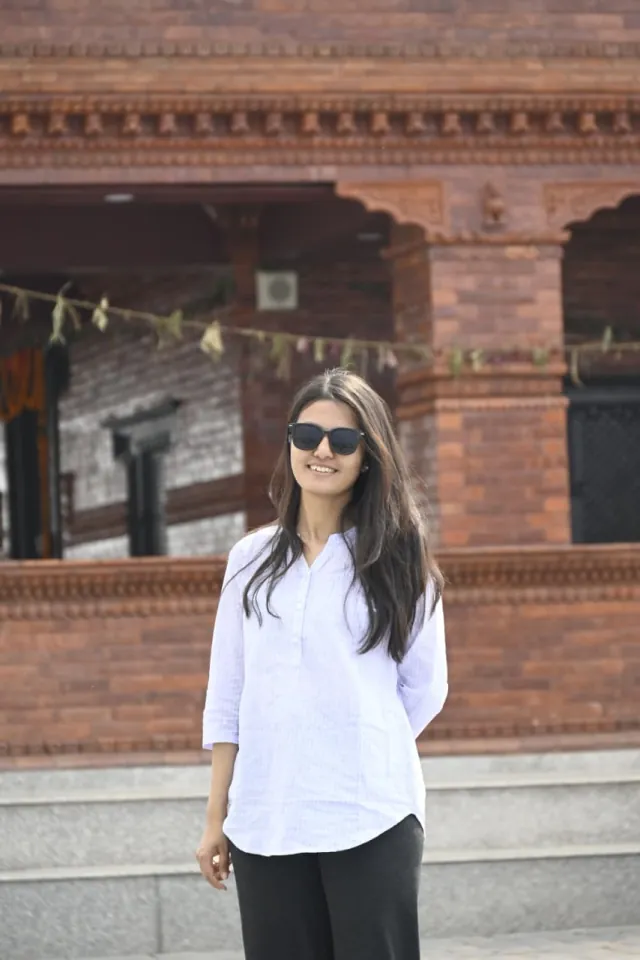
Aakriti Bhandari
MS Student
University of South-Eastern Norway.
Isha Acharya
PhD Candidate
Carnegie Mellon University, USA.
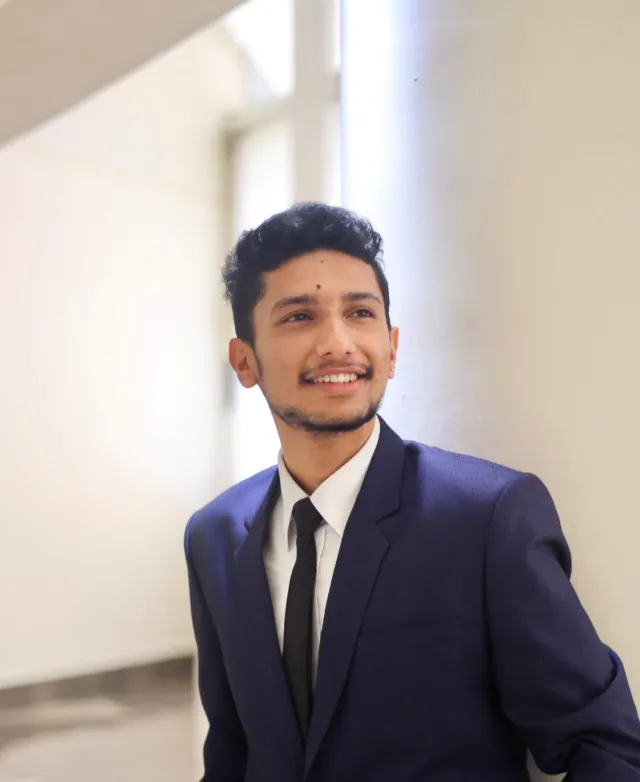
Samir Paudel
MTech, Energy Systems
Former ESTRL research associate.
- Tej Raj Tharu
- Ananta Acharya
- Nirajan Timilsina
- Saurav Raj Bista
- Sisan Uprety
- Prabid Adhikari
- Shital Timilsina
- Kokis Bhusal
- Bibek Baral
Research training and supervision
More than twenty graduate students have been mentored at ESTRL since 2018. Training is not run as a separate track: students are attached to a funded programme and take responsibility for a real part of its deliverable, which means their thesis work and the programme's output advance together.
What students work on
Thesis and project work sits inside the laboratory's active research areas: second-life batteries and battery energy storage, solar drying and solar food systems, electric cooking, electric mobility, energy efficient buildings, and energy policy. Because the programmes are funded and time-bound, students work to real deadlines and real data quality requirements rather than to an exercise.
How the lab expects work to be done
Every member completes safety induction before bench or field work and is held to PPE compliance, equipment logs and calibration records. Studies involving people require ethics approval. Data management and reproducibility practice apply to everyone, including undergraduate researchers — a measurement that cannot be reproduced is not a result.
Publishing and authorship
Students who carry a substantive share of a study are credited on it. Raghav Sharma, then a BE researcher, is a co-author on the 2022 Journal of Cleaner Production life cycle assessment of vehicle powertrains in Nepal. The laboratory has more than fifteen peer-reviewed publications to date.
Where it leads
Former ESTRL members have gone on to doctoral study at the Illinois Institute of Technology and Carnegie Mellon University in the United States and graduate study at the University of South-Eastern Norway, as well as into engineering practice in Nepal. Several continue to collaborate with the laboratory after leaving.
Join the laboratory
Students apply through their department at Kathmandu University and indicate interest in ESTRL. Openings are posted on the KU notice board and lab channels. External researchers who want to use the facilities should send a short proposal — access is granted by request and MoU, with safety induction and data policy documents issued on approval.